
Everything Changes When You Trust Yourself
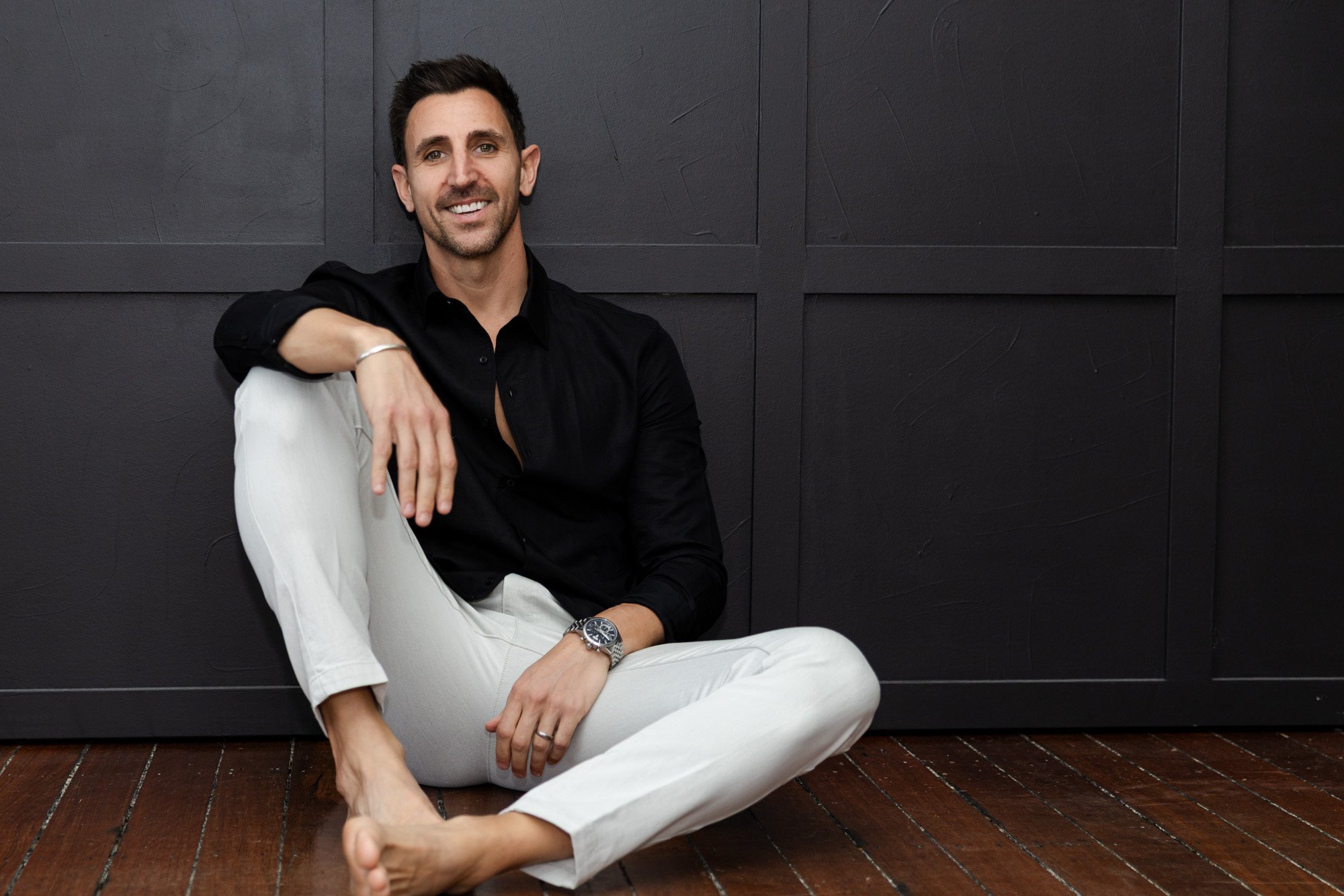
Watch the full episode on YouTube.
The way we see ourselves quietly shapes so much of our lives.
It can affect the decisions we make, the boundaries we hold, the opportunities we go after and what we believe is possible for us. It often shows up in our relationships, our health, the way we lead and how we run our businesses.
When self-trust is a little shaky, it does not always look like a lack of confidence.
Sometimes it can look like overwhelm, procrastination or constantly searching for another strategy.
It might look like overgiving, putting everyone else first or knowing something needs to change but not quite trusting ourselves enough to make the move.
We may think the problem is sales, cash flow, time management or productivity. Sometimes those things do need attention. But other times, they can be a sign that something deeper is going on underneath.
And that’s what we want to talk about.
Looking Beyond The Obvious Problem
In business, it is easy to go searching for an external answer.
We try another system, download another free resource or follow someone else’s process. There is so much information available now that it can become difficult to know what to do with it all. Instead of feeling clearer, we can end up overwhelmed and unsure which direction to take.
This is something Kate sees regularly when working with women in business. They may come to her wanting more sales or money but once they begin looking at the bigger picture, it often becomes clear that there is more going on.
They might already have a sense of what needs to happen but do not quite trust themselves enough to make the decision.
They may be prioritising everyone else’s needs, struggling to hold boundaries or looking outside themselves for reassurance that they are doing the right thing.
A new process can absolutely help but it can be much harder to follow through when we do not see ourselves as someone who can make it work.
As the phrase goes, you cannot outperform a poor self-image.
How We See Ourselves Influences What We Do
The identity we hold can shape the actions we take.
A smoker sees themselves as a smoker so their habits often continue to match that identity. An athlete sees themselves as an athlete, so they make decisions that support their training and performance.
The same idea can show up in our businesses and everyday lives.
If we see ourselves as someone who always puts other people first, setting a boundary can feel uncomfortable or even wrong. If we believe we are not confident enough to speak, lead or share our ideas, we may keep finding reasons to stay quiet.
If we do not see ourselves as someone who deserves time, support or care, those things can keep being pushed to the bottom of the list.
This does not mean pretending to be someone we are not.
It is more about becoming aware of the identity we are currently living from and asking whether it still fits where we want to go.
When The Old Version Of You No Longer Fits
There are seasons when the things that once worked simply stop feeling right.
A business model may no longer suit the life we want.
A career or identity we have carried for years might begin to feel too small.
We may have worked hard to reach a certain point only to realise we do not want to keep doing things the same way.
That can feel unsettling but it can also be an opportunity to pause and think about what comes next.
Who we were in our twenties may not be who we are in our forties. The version of us who started the business may not be the same person running it five or ten years later.
Kate and Adrian are both experiencing different versions of this in their own work right now.
Adrian has moved away from contract work and is stepping more fully into coaching, leadership and speaking. He can see the bigger vision but still has moments where doubt and old beliefs come up.
Kate is also creating space to explore what the next stage of her work might look like. Rather than rushing to announce every idea, she is allowing some of it to develop privately before inviting other people’s thoughts and opinions into it.
Neither approach is right or wrong.
Sometimes sharing a goal gives us the accountability we need to follow through. Other times an idea needs a little space before we bring other people into it.
Part of self-trust is learning to know what feels right for us.
Creating Space To See What Could Be Possible
It can be hard to imagine a different life when we are deep in the middle of the current one.
When we are overwhelmed, stressed or simply trying to get through the day, it is not always easy to see beyond what is directly in front of us. This is where visualisation, reflection and creating a little space can help.
We do not need to have every detail mapped out. It might simply mean asking what the best possible outcome could look like twelve months from now.
Where are you living?
How are you working?
How do you feel when you wake up?
What does your business allow you to do?
How do you want to show up in your relationships, health and everyday life?
Sometimes we can answer those questions ourselves. Other times it helps to have support from someone who can help us see possibilities we cannot quite see yet.
Hope may not be a business strategy but it can help us believe there may be another way forward.
Confidence Is Built Through Evidence
It is easy to think we need confidence before we take action.
More often than not, it works the other way around.
Confidence can be built through evidence. We do something small, follow through with it and begin to prove to ourselves that we can trust what we say.
If you want to run an ultramarathon, the first step might be buying a pair of runners and going for a walk.
If you want to start a business, it might be sitting down with a pencil and writing out the idea.
If you want stronger boundaries, it could be saying no to one thing you do not have the capacity for.
The step does not need to be impressive. It just needs to move you in the direction of the person you want to become.
Small actions can build over time. This applies to our money, habits, relationships, health and personal growth.
Each time we do what we said we would do, we give ourselves another reason to trust that we can rely on ourselves.
You Don't Need To Force It
We often think progress needs to come from pushing harder.
We sit at the desk longer, take in more information or try to force the next idea into existence. But sometimes our biggest ideas arrive when we create a little room for them.
For Kate, that can look like writing by hand, sitting in the sun or stepping back from the noise long enough to hear her own thoughts.
It does not need to mean taking a full week away or going on a retreat. Sometimes we only have five minutes before school pick-up, at the end of the workday or sitting in the car before walking through the front door.
Those few minutes can still make a difference.
Adrian uses that time to reflect on what went well, what may need some work and what he wants to do differently tomorrow.
It can also be a chance to reset between roles.
Who were you at work today?
Who do you want to be when you walk into your home?
How do you want to show up in this next conversation?
Without that pause, it can be easy to carry the pressure from one part of our life directly into the next.
Self-Trust and The Way We Handle Pressure
There is no shortage of pressure in life and business but not everyone has the same tools or capacity to hold it.
When our bandwidth is already stretched, even a small thing can feel like too much. We might snap at someone, make a rushed decision or unintentionally pass our stress onto the people around us.
This becomes particularly important for business owners, managers and leaders.
The way we manage ourselves affects the way we lead others. When we are struggling to hold pressure from above, it can easily flow down to the people around us.
Self-leadership can begin with creating a pause between what happens and how we respond.
What kind of leader do you want to be?
How do you want people to feel around you?
Are you repeating behaviours from leaders you once struggled under or are you trying to do things another way?
Awareness gives us more choice. It does not mean we will respond perfectly every time but it gives us the opportunity to notice what is happening and choose a different response where we can.
Start With One Small Thing
Self-trust is not something we build once and never think about again.
We continue to meet new versions of ourselves as our lives, businesses and relationships change. There will be times when we feel clear and confident and other times when doubt creeps back in.
We do not need to work it all out at once.
Start with a journal, a visualisation or a few notes in your phone. Create five minutes of space to think about what you actually want. Notice whether resentment, frustration or fear might be pointing towards something that needs your attention.
Then ask yourself one simple question.
What is one small thing I can do today that supports the person I want to become?
Start there.
Self-trust, confidence and self-respect are all part of self-leadership. They grow as we listen to ourselves, stay curious and continue following through in small ways.
We may not know exactly what is ahead but we can begin trusting that we will find our way through it.